How Cutting Down Trees Can Change the Way You Care for Your Property
the impact of tree removal on property maintenance can be both positive and negative. Removing a tree can lower the amount of yard work you have to do. It can also stop root damage, roof debris, and pest problems. At the same time, taking a tree down may change shade patterns, soil health, and even how water drains across your yard. Knowing what to expect helps you plan for easier upkeep.
Why Prevention Matters When Managing Your Yard
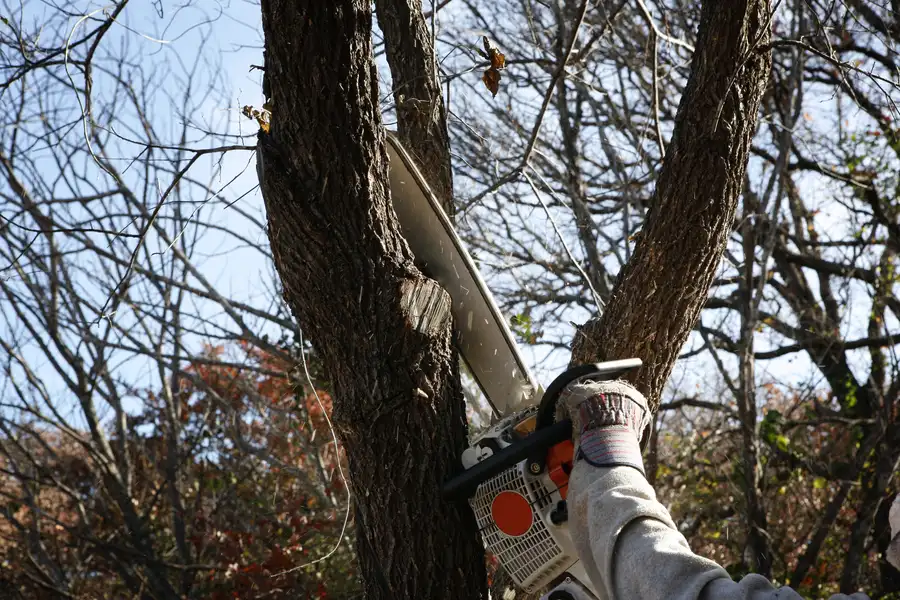
Many property owners think about tree removal only after a problem starts. A tree may be too close to the house. Roots may push up a driveway. Large limbs may hang over the roof. When this happens, maintenance costs often rise fast. Preventive action can lower long-term repair bills and reduce safety risks.
Old or damaged trees can drop limbs during storms. Leaves clog gutters. Roots crack walkways. By removing risky trees at the right time, you may avoid these repairs and the ongoing cleanup that follows.
Early Warning Signs a Tree Is Affecting Maintenance
You do not always need to remove a tree. Sometimes trimming is enough. But there are signs that a tree is starting to create more work or damage.
- Large surface roots lifting concrete or pavers
- Branches scraping the roof or siding
- Constant gutter clogs from heavy leaf drop
- Dead or hanging limbs after storms
- Mold or moss growth from too much shade
If you notice these signs, it may be time to think about tree removal. Acting early can prevent water damage, pest entry, and costly structural issues.
Seasonal Checklist for Ongoing Property Care
Even after a tree is removed, your property still needs routine attention. In fact, the removal process changes how you manage your yard through the seasons.
- Inspect the stump area for regrowth or decay.
- Check soil grading where the tree once stood.
- Watch for pooling water after heavy rain.
- Reseed or sod bare spots to prevent erosion.
- Review sun exposure changes around your home.
Without the tree canopy, more sunlight may hit your lawn. Grass may grow faster. In other areas, soil may dry out quickly and need more watering. Paying attention the first year after tree removal helps you adjust your routine.
Best Practices for Long-Term Results
When planned well, tree removal can make property maintenance easier. Fewer falling leaves mean less raking. Fewer roots mean fewer cracks in hard surfaces. Still, smart follow-up care makes all the difference.
Start with proper stump grinding. Leaving a stump behind can attract insects and create a tripping hazard. Next, improve soil health in the cleared area. Adding topsoil and grass seed helps stabilize the ground.
You should also rethink landscaping balance. Trees provide shade and wind protection. Removing one large tree may increase sun exposure inside your home, which can affect cooling costs. Planting smaller, well-placed trees away from structures may restore balance without adding heavy maintenance.
What Not to Do After Removing a Tree
Poor planning after tree removal can lead to new problems. Avoid these common mistakes:
- Ignoring drainage changes in the yard
- Leaving exposed roots to rot naturally
- Piling heavy soil against the home’s foundation
- Delaying stump removal for too long
Tree roots often absorb large amounts of water. Once the tree is gone, water may collect in that space. If the ground shifts, patios, driveways, and fences can move as well. Watching the area closely for several months helps you respond early.
When to Schedule Professional Help
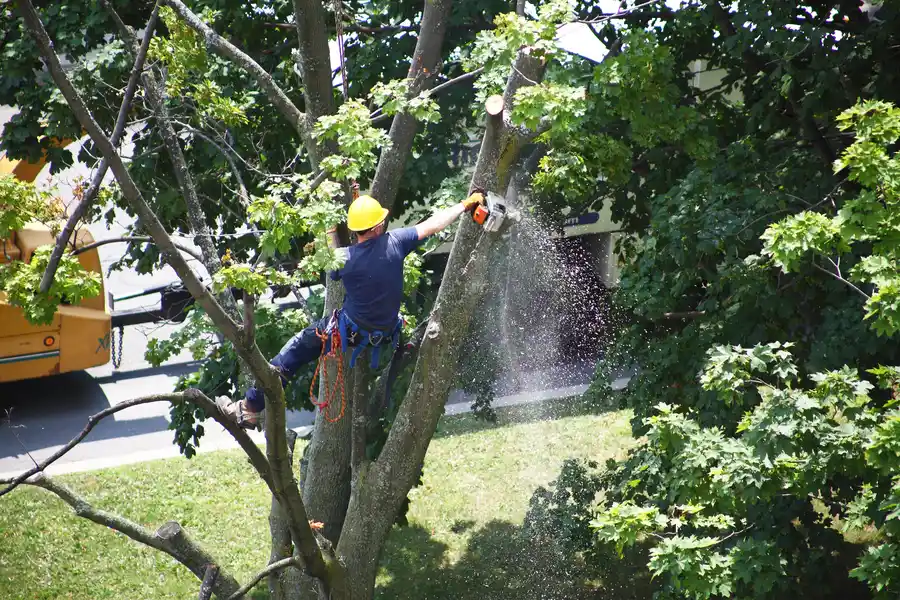
Some trees are simple to cut down. Others sit close to power lines, fences, or homes. Large trees with deep roots can change the stability of nearby soil. In these cases, professional help is the safer choice.
An experienced crew can check for hidden root spread before starting tree removal. They can also guide you on post-removal grading and lawn repair. This reduces the chance of drainage issues and uneven ground later.
If your property has multiple aging trees, a maintenance plan may be helpful. Removing one problem tree at a time can spread out costs and limit disruption to your yard.
Schedule Local Support for Safer Property Upkeep
If you are dealing with ongoing yard issues in Leesburg, GA, it may be time to look at how tree removal could improve your property maintenance plan. Our team at Harper Tree Service handles safe removals, stump grinding, and cleanup with care. We focus on protecting your lawn, hard surfaces, and nearby structures throughout the process. Call (229) 894-8096 to speak with us about your property goals and set up a time for service.