Old Stumps Can Create Hazards, Invite Pests, and Ruin the Look of Your Yard
Leftover tree stumps may seem harmless, but they can cause safety risks, attract insects, and make your yard harder to maintain. Removing them helps prevent trips and falls, reduces pest problems, and gives your landscape a smooth, open look. tree stump removal also makes mowing easier and protects the health of nearby plants.
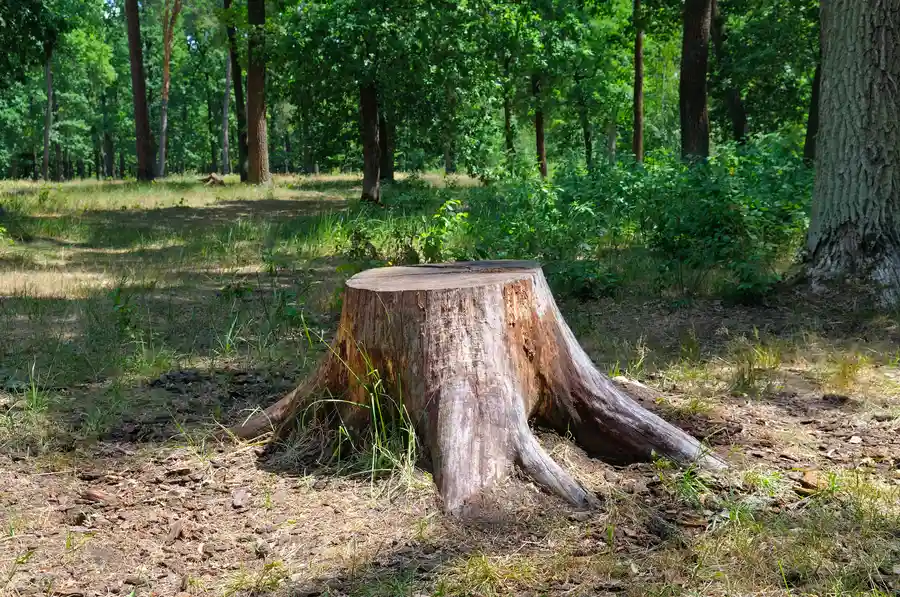
Common Problems Caused by Old Tree Stumps
After a tree is cut down, the stump often remains. At first, it may not seem like a big deal. Over time, though, problems start to show.
Here are common issues homeowners face:
- People trip over low or hidden stumps
- Lawn mowers hit wood and get damaged
- Termites, ants, and beetles move in
- New sprouts grow around the base
- The yard looks unfinished or messy
Children running and playing may not see a short stump. Guests walking through the yard can easily stumble. These small accidents can lead to injuries that are easy to prevent.
Why Stumps Attract Pests and Disease
Dead wood is the perfect home for many insects. As the stump begins to rot, it becomes soft and damp. This draws termites, carpenter ants, and other wood-boring pests. Once they settle in, they may spread to fences, sheds, or even your house.
Fungi also grow on old stumps. Some fungi can spread disease to healthy trees and shrubs nearby. This can weaken your landscape over time. Removing the stump cuts off this food source and helps protect the rest of your yard.
What to Check Before Taking Action
Before starting tree stump removal, look at the size and location of the stump. Some are small and easy to manage. Others are wide, with deep roots that spread far underground.
Ask yourself:
- How close is the stump to my home or driveway?
- Are utilities buried nearby?
- Is the stump still solid or already rotting?
- Are roots lifting sidewalks or patios?
These answers help you decide the safest next step. Large root systems can damage hard surfaces. In some cases, roots continue to grow even after the tree is cut down.
Safe Fixes Vs Professional Stump Grinding
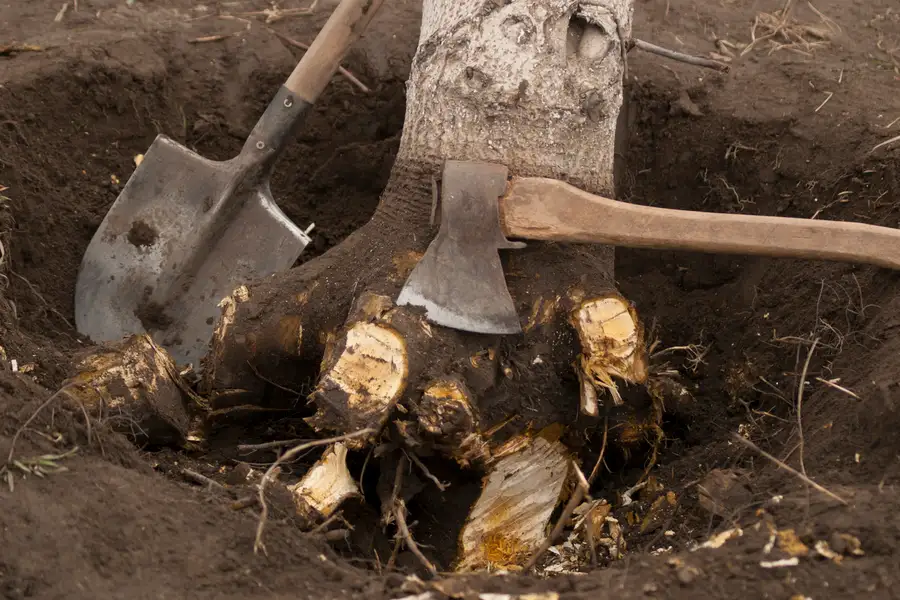
There are a few ways to deal with a stump. Small stumps may be dug out by hand. This takes time, strength, and the right tools. For larger stumps, digging is often not practical.
Some homeowners try chemical stump removers. These products speed up rot, but the process can take months. During that time, the stump remains in place and pests may still gather.
Professional tree stump removal often uses stump grinding equipment. A grinding machine breaks the stump into small wood chips. The process is fast and removes the stump below ground level. This allows you to plant grass or flowers in the same spot.
This type of work is usually part of a larger service when clearing or improving a yard. Using the right equipment helps avoid damage to nearby landscaping.
How Removing Stumps Improves Your Landscape
Once the stump is gone, your yard feels open and clean. You can redesign the area without working around an obstacle. Many homeowners choose to:
- Lay new sod where the stump once stood
- Create a flower bed or garden space
- Extend a patio or walkway
- Plant a new, healthy tree
Without an old stump in the way, mowing becomes quicker and safer. You reduce wear and tear on your lawn equipment. The entire property looks more polished.
How to Prevent Future Stump Problems
The best time to plan for stump removal is when the tree is first cut down. Instead of leaving the base behind, schedule tree stump removal right away. This prevents decay, pests, and unwanted growth from starting.
Keep an eye on old stumps you may already have. If you notice insect activity, soft wood, or new shoots, act sooner rather than later. Early action limits bigger issues later.
Get Reliable Help for Stump Removal
If you have an old stump taking up space in your yard in Leesburg, GA, it may be time to remove it for good. At Harper Tree Service, we handle tree stump removal with the right tools and a trained team. We focus on safety, clean work areas, and leaving your property ready for its next project. Call us at (229) 894-8096 to schedule service or ask questions about your yard.